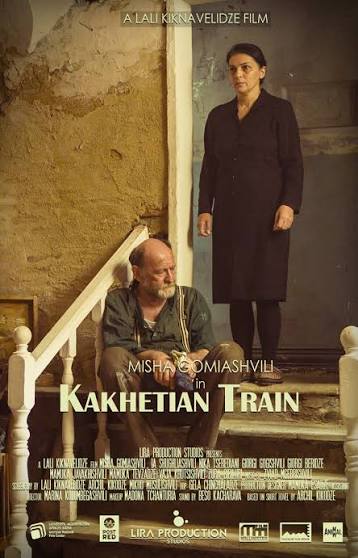
The reason why cinema is a unique art is that it can combine several different fields into one whole form, which include literature, art, music, theatre and visual arts. In this respect, Lali Kiknavelidze’s “Kakhetian Train” (2019) is one of the most accurate examples of how different mediums not replace each other but continue and enrich.
This film combines Pirosmani’s art with the literary source and the unique capabilities of cinema. Not only does it convey a human’s pain and regret but demonstrates how art can create a new experience. “Kakheti Train” offers us a silent world, where each shot is full of emotions, colors and Pirosmani’s inspiration. The work reminds us that art is not just a separate genre or topic but a vast space where human emotions, history and spiritual experience intersect in a single whole.
This is a film about the feeling of guilt, loss, regret and the invisible path that a person goes through when pain completely covers everyday existence. The director creates a minimalist, but content-rich film, where every detail - space, silence, an object, painting - has importance and symbolic meaning. The director does not try to screen Pirosmani's painting in a literal sense but rather expresses cinematic respect for the great genius.
The main character of the film, Misha (Misha Gomiashvili), lives with a constant sense of guilt. His son lost his way and died and this fact is not a simple tragedy for Misha but a constant reminder of his own responsibility. The viewer does not see the details of his son's life, he does not see the chronicle of the crime. The film shows the result and a man who is already burdened by the past and cannot get rid of this burden.
The central symbol of the film becomes Niko Pirosmani’s painting “Kakhetian Train.” This painting is not just a work for Misha. It becomes a path to salvation. Pirosmani’s world, with its simplicity and silence seems to echo Misha’s situation. The train here is no longer just a means of transportation, it is a path to regret and repentance. Pirosmani’s train seems to be going nowhere, but it is precisely in this immobility that it acquires symbolic meaning.
ფილმის ცენტრალური სიმბოლო ნიკო ფიროსმანის ნახატი, „კახეთის მატარებელი“ ხდება. ეს ნახატი მიშასთვის უბრალო ნამუშევარი არ არის. ის იქცევა გზად გადარჩენისა. ფიროსმანის სამყარო, თავისი სიმარტივითა და სიჩუმით, თითქოს მიშას მდგომარეობას ეხმიანება. მატარებელი აქ აღარ არის მხოლოდ ტრანსპორტი. ის არის გზა სინანულისკენ და მონანიებისკენ. ფიროსმანის მატარებელი თითქოს არ მიდის არსად, მაგრამ სწორედ ამ უძრაობაში იძენს სიმბოლურ მნიშვნელობას.
Special attention should be paid to the actor’s performance. Misha’s role is built not on dialogue but on existence. The actor creates a character who seems to constantly carry something within himself. A burden that is not visible but is always felt. His eyes, the tension of his body, his silence say more than any monologue.
They had a son, who is known to society as a robber and a thief. Misha blames himself for the formation of his son in this way. For him, his son's criminal path is not accidental; it is the result of his father's failures, the sum of his mistakes, a responsibility from which it is impossible to escape. Therefore, when his son is killed, this tragedy is doubly difficult for Misha: he simultaneously loses his son and himself as a father.
მათ შვილი ჰყავდათ, რომელსაც საზოგადოება ყაჩაღად და ქურდად იცნობდა. მიშა საკუთარ თავს ადანაშაულებს შვილის ასეთ ჩამოყალიბებაში. მისთვის შვილის კრიმინალური გზა შემთხვევითი არ არის – ეს არის მამის წარუმატებლობის შედეგი, შეცდომების ჯამი, პასუხისმგებლობა, რომლისგანაც გაქცევა შეუძლებელია. ამიტომ, როდესაც შვილს კლავენ, მიშასთვის ეს ტრაგედია ორმაგად მძიმეა: ის ერთდროულად კარგავს შვილს და საკუთარ თავს, როგორც მამა.
The wife copes with the same pain in a different way. In the film, this difference is not conflictual, loud or dramatized; on the contrary, it appears quietly, naturally. The woman finds help in the church. For her, faith becomes a space where pain is alleviated, where loss can be transformed into patience, tolerance. The church here is not a decorative religious symbol, it is a refuge, a place where a person no longer avoids his own weakness. Misha, however, cannot enter the church. His pain demands a different kind of salvation. He cannot find help in prayer as his sense of guilt is heavier than the peace received through faith. For Misha is not a dialogue with God. It is here that Pirosmani’s painting appears as an alternative spiritual space.
It is important that the film does not elevate one path above the other. Kiknavelidze does not offer an answer to the question “which path is right.” The church is not presented as a universal solution or art as an alternative. Both paths coexist, because both people are individuals. The film is very careful to remind us that the form of dealing with pain is not determined by a common rule. Here are two parallel spiritual paths that exist side by side but do not intersect.
The son’s criminal past further exacerbates this difference. In the eyes of society, he is a “bad son” but to his parents, he is a son, anyway. The woman may try to blame her sins on God but Misha takes the burden of these sins upon himself. That is why Pirosmani’s painting becomes a space for repentance for him. The director does not ask the viewer to choose one of the characters. He offers us sympathy for both.
Eventually, Misha’s encounter with Pirosmani’s painting and his wife’s visit to church are born of the same need, an attempt to continue living after the loss of a child. One path leads to God, the other to art but both paths begin with the same pain. It is precisely in this recognition of human diversity that the film’s strength and depth lie.
There is a clear visual similarity between the colors of Pirosmani’s paintings and the color palette used in “The Kakhetian Train,” as if the film itself were really painted in oil and not shot with a digital camera. This feeling is not accidental, and it is precisely in this way that Lali Kiknavelidze expresses her respect for Pirosmani’s aesthetics. The artist’s colors are never bright. Black, dark brown, and gray tones create his world. The same feeling appears in “The Kakhetian Train.” The film’s color palette is intentionally muted. Here, we do not see sharp contrasts or the cold tones characteristic of modern cinema. This creates the impression that the shots are not simply captured, but painted. Each shot is an independent painting, allowing the viewer to engage with the emotional world of the characters.
The human sadness depicted in Niko Pirosmani’s painting “The Kakhetian Train” was first literary transformed into Archil Kikodze’s story. It is also important that one of the authors of the film’s script is also the writer himself, which makes it all the more organic. We are not dealing here with a simple screen adaptation; this is a connection between the arts, where one form inspires the other, not copies it.
In Kikodze’s story, the topics are presented more broadly and deeply. The text allows us to enter the characters’ thoughts to understand the psychological details well. In the film, all this is reduced to a minimum but this reduction is not a drawback; this is the nature of cinema.
Cinema speaks a different language. It does not explain, does not give the meaning, does not specify in the same way as text. Film is forced to work with sound, rhythm, color, silence. Therefore, it is quite natural that the topics deeply developed in the primary source are condensed on the screen. This is not only understandable, but also necessary; the specificity of the film requires it.
At the same time, it is interesting that there are episodes where several nuances are presented more sharply in the film than in the story. Cinema can describe in one shot what the text describes in many paragraphs. This is what makes cinema a unique and powerful art. The film is not a direct screen adaptation of a story or a painting. This is an independent work that respects Pirosmani, respects literature and uses the unique capabilities of cinema to offer the viewer a different experience.
“Kakhetian Train” is not a classic case of adaptation, where one art form “submits” to another. It is more of a dialogue based on respect. It is in this process that we can see the true power of cinema - its ability to unite different arts into a single whole. Art is at its most powerful when it begins to talk to each other, not replace each other.
Teona Vekua