
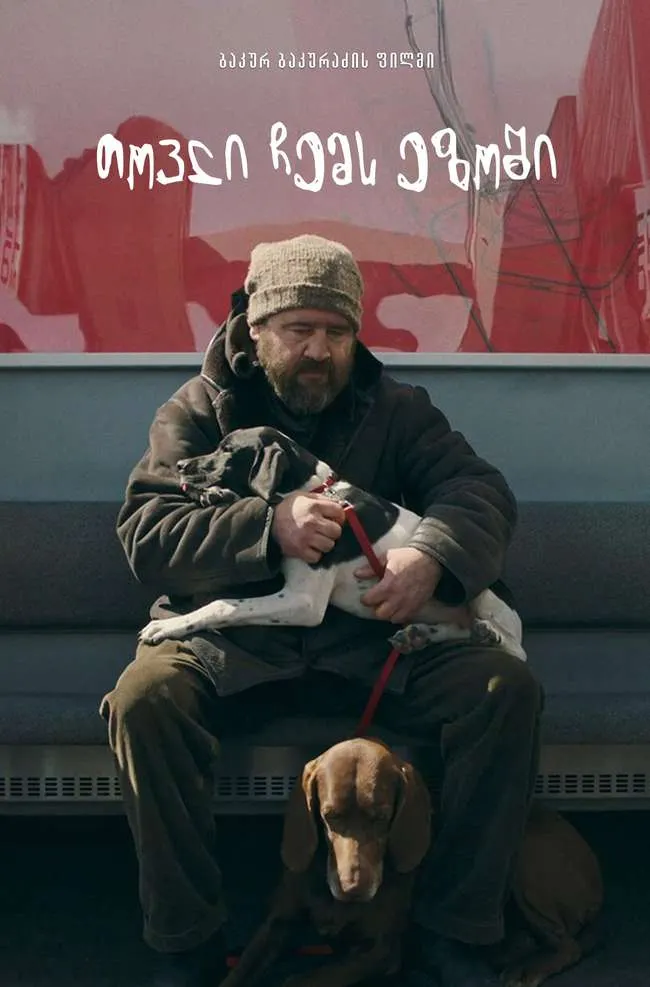
The depiction of loneliness in cinema is well-adapted and the ways of expressing it are diverse. Directors try to convey characters’ feelings in various ways, since such topics are often successful at international film festivals. Some directors manage to do this particularly subtly, expressing inner loneliness gently, others less deeply, although almost all works have the power to give the viewer the opportunity to think. Especially appreciated are those directors who tenderly present the emotional difficulties of a person's inner state in a way that loneliness does not turn into just a spectacle but becomes a bridge between the viewer and the character.
Bakur Bakuradze's film, "Snow In My Yard" (2025) observes two people’s inner world whose destinies are separated by geography and social status but united by one, severe diagnosis - loneliness. The main characters of the film are two childhood friends, Givi, a film director working in Moscow and Levan, a former rugby player living in Tbilisi who is in need. They find each other through a social network after a 30-year break. This meeting becomes a kind of chain through which a process of mutual assistance, healing and sharing of nostalgia begins between them. The film analyzes the phenomenon of loneliness through two different characters, thereby showing that this problem is not measured by social status or material well-being.
Levani lives in a half-destroyed house in Tbilisi. His life is reduced to one terrifying phrase: “I get up in the morning, I go to bed in the evening.” This phrase conveys hopelessness and despair. He is weakened after a stroke and suffers from diabetes but he has no money to buy medicine. He is forced to ask for help through a social network. His neighbor, who works in a pasta factory, brings him pasta to avoid hunger. Levan walks around in torn pants, dries his wet socks with a towel, and smokes tobacco instead of cigarettes.
To intensify the description of his condition, the cameraman makes the viewer look through all the cracks in the apartment one by one, thereby emphasizing that Levan’s spiritual and physical environment are equally destroyed. The house is a visual representation of the state of the soul. Despite being spiritually lonely, there are also bright spots in his life – two dogs (little and big Jessie), who are his faithful companions, and a young neighbor, Alexander, who shares food with him which he earns by stealing. Levan is alone but at the same time he receives social support and love from people who, themselves are on the verge of poverty. Givi is materially secure but suffers from a creative crisis and family problems.
Givi’s idea to pay Levan 5 Lari to write his story on one page is the first ray of hope. This ridiculous, small amount is an existential means for Levan, and for Givi – the beginning of a way out of the crisis. He finds in Levan’s story the real, primary material that will revive his creative life. Givi is given the opportunity to find a reason to return to his hometown.
გივის იდეა, რომ ლევანს გადაუხადოს 5 ლარი ერთ გვერდში თავისი ისტორიის ჩაწერისთვის, არის იმედის პირველი სხივი. ეს სასაცილო, მცირე თანხა ლევანისთვის საარსებო მინიმუმია, გივისთვის კი – კრიზისიდან გამოსავლის დასაწყისი. ის ლევანის ისტორიაში პოულობს იმ ნამდვილ, პირველად მასალას, რაც მის შემოქმედებით ცხოვრებას გამოაცოცხლებს. გივის საშუალება ეძლევა, იპოვოს მიზეზი, მშობლიურ ქალაქში დაბრუნებისათვის.
Here, the problem of generational conflict is also highlighted, which is related to the ways of healing loneliness and the idea of the homeland. The older generation, in the form of Givi, sees relief in returning to Tbilisi, while the younger generation, Alexandre, wants to overcome loneliness by going abroad. Exactly as it happens in modern Georgia. Alexandre’s forced theft and dream of emigration indicate that it is no longer possible for young people to stay in their homeland and seek healing in their “roots.” Their only hope is to leave the country. This is especially relevant for post-Soviet Georgia, where nostalgia and the desire to escape simultaneously worry society.
The duet between Levani and Dito is also interesting in this film, which takes place via social networks and the telephone. This is one of the most difficult and painful aspects of the film, which shows loneliness from a different perspective. Dito had an accident, he is mentally insane, and left alone. Levan establishes contact with him at the initiative of another friend, Kote, so that Dito can overcome his loneliness. Dito talks for hours, which “drives Levan crazy” and makes him lose patience. This relationship is an emotional burden for Levan. He tries to escape this noisy loneliness and blocks it once, but Levan is forced to remove the block and return to Dito's conversations in exchange for diabetes medicine. It's a terrible compromise. Levan sells his psychological peace and time for the minimum necessity for physical survival.
A person fights loneliness by forcibly connecting with people who are themselves victims of loneliness and mental trauma. Dito suffers from loneliness and tries to relieve himself by talking, even if it irritates his listener. Levan is forced to carry this burden due to physical loneliness and hardship. Their relationship is less determined by love or compassion - it is an act of survival dictated by necessity.
Dito's conversations tire Levan's already tense nervous system even more. This is an example how the process of overcoming loneliness often involves more pain and tension than relief. Levan puts his own health at risk in order to survive physically. In the case of these two, friendship is a forced, sustained connection that often destroys you more than it heals you.
There is almost no music in the film. The first melody appears at the 60th minute. This is followed by two songs by Niaz Diasamidze and that's it. However, the film had more potential, long shots and long pauses could have been filled with melodies.
The finale is open. It is unknown how each character's life will continue. The film seems to have been cut off in the middle. There is not even the slightest hint of an end. It is true, the director did this on purpose but very rudely, which was reflected in the finale.
The color palette remains constantly in cold tones as it befits winter. It almost never changes, even when a relatively light, melancholic mood enters the film. The shooting style is completely artistic but still leaves the impression of a documentary - as if the camera is trying to get as close to reality as possible. This is supported by the natural play of the actors and modest, direct dialogues. A small flash of humor adds lightness to the film without ever disturbing the overall tone.
But what did the author lack to create a complete, convincing picture? Why can't the film bring the emotion that characterizes works of similar topics? Perhaps it's that the characters are presented superficially. They are presented as broken-hearted and nervous people, although it is not clear how and why they came to such a state. The director clearly avoids talking about this: he does not delve into the reasons, he does not explain the internal dynamics, and that is why many unanswered questions remain. There are no ways to solve them, so what does the director want to say?
The most important part of such films is the honest portrayal of a person's inner turmoil. If this does not happen, if the depth of the characters remains only on the surface, then the film fails to meet the emotional expectations of the audience and remains deceived to some extent. Ultimately, the depiction of loneliness in cinema shows that the best cinema is not only a spectacle but also an emotional dialogue with the audience.
Teona Vekua


