It is difficult to look at the reality around you truly when you are often involved in the hopeless, intertwined rhythm of life. Life is so incomprehensible that it is almost impossible to stop and look at yourself from the side as you follow your own path. It is a pity that we analyze the things that are important to us just when the true end is near and the happiest person is the one who feels that he does not regret anything.
This is a tragedy of life and a narrow-spectrum philosophy around which directors love to create adventures and describe this helpless state from their own perspective.
Vasiko Janibegashvili’s short student film, “When It Rained Outside” (2016), deals with these very topics.
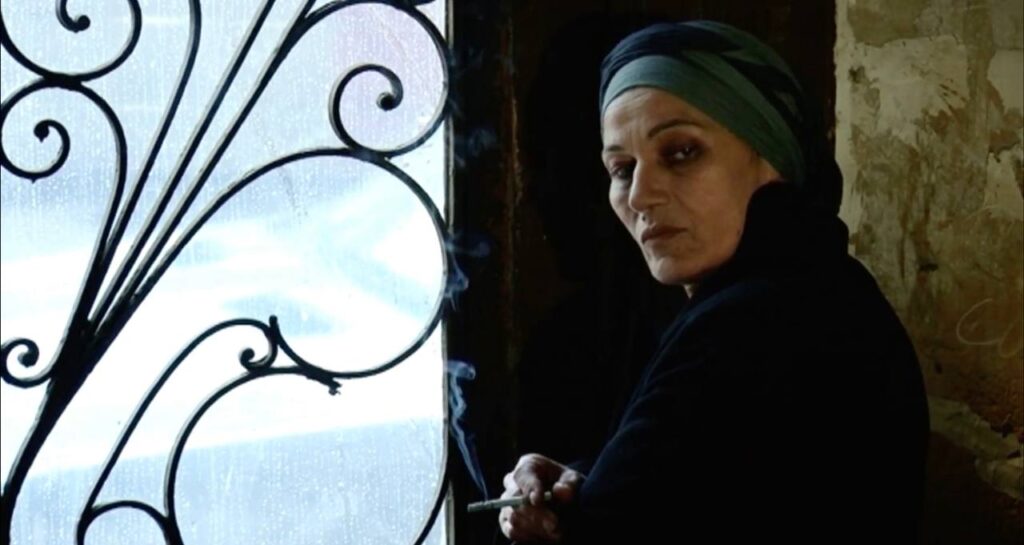
At the house entrance door, a middle-aged woman looks at the rain and smokes a cigarette. There is a coffin under the entrance stairs and it is unclear initially whether the coffin is part of the given reality or an allegory because this character is filled with great tragedy, which she expresses with incomprehensible, absurd monologues. One can clearly feel sadness and nostalgia for the past in her mood because she remembers her youth, the time when she used to run as free as the wind through the meadow of poppies. Such a similarity to Tengiz Abuladze’s famous film, “The Wishing Tree,” might have been a pure form of inspiration for the author.
In order to convey better the character’s feelings and mood, the director uses Mozart’s “Requiem” as a background, which is accompanied by the Georgian song “Dimpitauri, Dampitauri.” Such a contrast is very incomprehensible and confusing for the viewer but if you fully understand the nature of the film, you will definitely get the feeling that the death-like music is invigorated by Georgian singing, just as characters and thoughts alternate in the main character.
“The more you are appreciated, the more foolish you become,” says the character and again looks down at the rain, as if all hope in life has run out and everything she says is said to herself, with whom she is angry. She is angry because she cannot turn back time and erase the traces that brought her to this point, because a small symphony orchestra is seen on the screen in a spinning field along with the memories of her youth, which causes a double association in the audience. It is logical that all this raises questions about the character's identity, although her anxiety is clear here - she grieves for the past years and the glory that she once had, but now, being weaker and standing in the void, no one needs her anymore and she can't go anywhere.
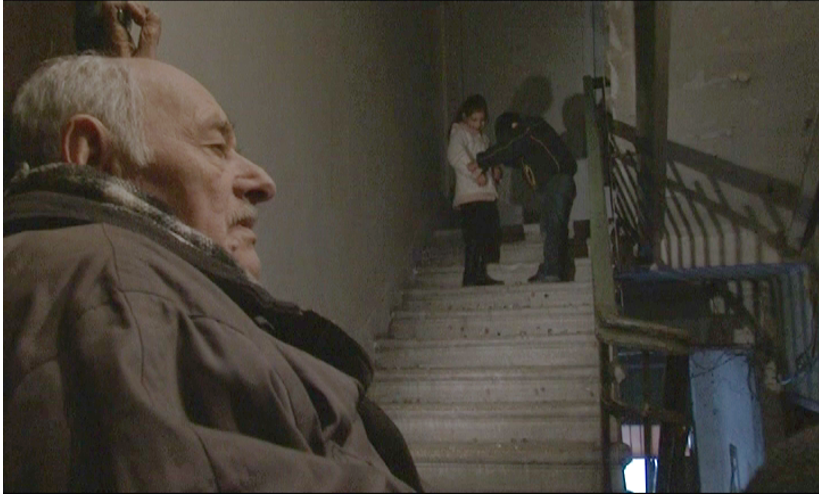
Suddenly, a man, drenched in the rain, comes in the door, stops as soon as he sees the woman and doesn't go back or forward. The woman speaks again and seems she indirectly addresses the young man. She says that it is not rain outside but the sadness of a woman who has lost her love and cries and looks for it. She searches but, unfortunately, she cannot find it because she returns to the vanity and emptiness of life in which it is not clear where there is darkness and where there is light. The character's monologue continues uninterruptedly until a young priest enters the same door as a sign from God that there is hope that can save the soul from this dirty "pink" world. The priest stops as soon as he sees the woman, but soon continues his way and before he finally reaches his destination, he turns around once more, looks at the stubborn woman dressed in black and the young man standing next to her, waves at them and suddenly leaves. The illuminated staircase is empty, which creates a tense expectation, and just then the same place is filled with people. Some bring out flowers, others - a picture. They pass by a woman whose face is filled with pain. People are leaving the door and carrying the coffin. No one speaks, not even the woman. Two people remain in the hallway - a woman and a young man. With this, the film ends.
პერსონაჟის მონოლოგი უწყვეტლივ გრძელდება მანამ, სანამ იგივე კარში არ შემოდის ახალგაზრდა მღვდელი, როგორც ღვთის ნიშანი იმისა, რომ არსებობს იმედი, რომელსაც შეუძლია იხსნას სული ამ ბინძური „ვარდისფერი“ სამყაროსგან.
მღვდელი ქალის დანახვისთანავე ჩერდება, თუმცა მალევე აგრძელებს გზას და მანამ, სანამ საბოლოოდ დანიშნულებამდე მივა, კიდევ ერთხელ ტრიალდება, შეხედავს თავგაკრულ, შავებში გამოწყობილ ქალს და მის გვერდით მდგომ ახალგაზრდას, პირჯავრს აწერს მათ და უცებ მიდის. ცარიელია განათებული კიბე, რაც ქმნის დაძაბულ მოლოდინს და სწორედ მაშინ იგივე ადგილი ივსება ხალხით. ზოგს ყვავილები მოაქვს, ზოგს კი – სურათი. ისინი გვერდს აუვლიან ქალს, რომელსაც სახეზე შეაშრა ტკივილი. ხალხი კარიდან გადის და გააქვს კუბო. არავინ საუბრობს, აღარც ქალი. სადარბაზოში რჩებიან ორნი – ქალი და ყმაწვილი. ამით ფილმი მთავრდება.
Regret for a life gone by is a very touching issue that emphasizes a person's existential crisis and films with such topics are interesting to watch and discuss precisely because you can often recognize yourself where you least expect it.
Despite the fact that the film is quite short and raises many questions, the feeling and aesthetics present in it are not a difficult task but conversely - you quickly become its third eye and another listener in the entrance because you get caught up in the whirlwind of this story and already wonder what happened to that beautiful woman whose face has so many wrinkles and who, unfortunately, no longer has a single nerve left.
Sophio Chitaladze